Build a Useful Record of Your BMW Spare Parts Shelf
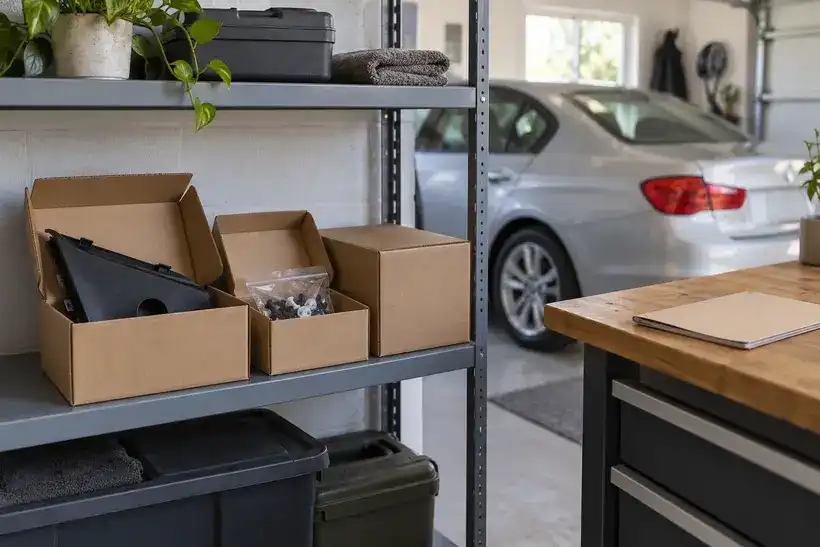
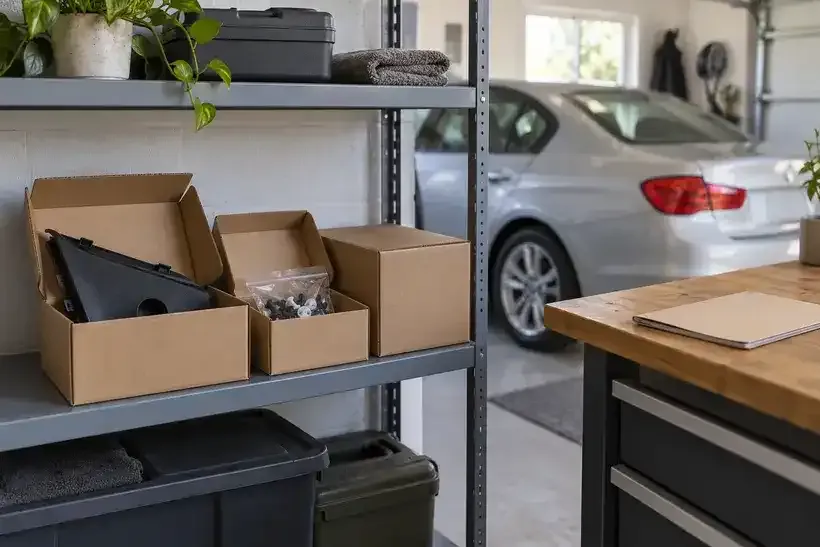
A spare-parts shelf can hold several unfinished stories. A box may contain an unused purchase, a component removed during a repair or something kept because it looked useful. Reorganising the shelf is easier when you first record those differences, rather than moving everything into matching containers and losing the context.
Start with a small record that connects each item to its location, visible identification and known history. The aim is to understand what you have before making decisions about future projects. A tidy shelf is useful, but the information behind it should remain just as easy to find.
Define the garage reset before sorting
A sell my motorcycle for cash today enquiry may be one part of a broader garage reset. If you are also organising BMW car parts, keep the motorcycle's loose belongings and proposed sale inclusions separate from the BMW shelf. Clearing space should not leave you uncertain about which vehicle a box belongs to or whether an item was promised to someone else.
Write down the purpose of the shelf review. You might be preparing for a planned repair, identifying parts left from a previous project or making the storage area easier to use. Those are different tasks, and none requires you to declare every component suitable for installation.
Set a practical boundary for the first session. Choose one accessible shelf or one small group of boxes. Avoid emptying an entire garage before you have somewhere suitable for the contents and a way to preserve their existing associations.
Record the shelf before moving items
Give each shelf position or container a simple reference. A location such as shelf two, left box is enough if it consistently matches the physical space. Record what you can see there before reorganising it, especially when several similar containers have accumulated over time.
Take a general reference photograph where it is useful and safe. The photograph can preserve the arrangement, while the written record explains the contents. Keep private vehicle documents and personal information out of the frame and avoid relying on an image as the only inventory.
For each accessible item, record a plain description, quantity and current location. If the container holds a mixed group that you cannot yet identify, describe it as a mixed group rather than inventing individual identities. Give that group a follow-up task in the record.
Do not climb unsuitable shelving, lift heavy assemblies or handle leaking or damaged materials just to finish the list. Leave those items in a safe condition and arrange suitable assistance where needed. A partial record with a stated limitation is preferable to unsafe handling.
Preserve labels and packaging context
Keep the visible information on the component and its packaging associated with the record. Photograph or transcribe a readable label carefully, including the full reference rather than a few remembered digits. Note whether that information came from the item, the box or an invoice.
Those sources may disagree. A box used for storage might contain a different component from the one named on its label. Record the mismatch and keep it unresolved until there is evidence to explain it. Do not copy the box description onto the part as though the two have already been matched.
Keep original packaging where it provides useful identification or relevant handling information. Avoid removing a label to make the shelf look neater. If a label is damaged or incomplete, record what remains legible and state that the reference is incomplete.
Packaging alone should not become an authenticity or condition claim. An attractive box does not establish what is inside, and an unopened-looking package does not replace appropriate verification. Preserve the evidence without giving it more meaning than it supports.
Separate identification from confirmed fitment
An inventory answers what is on the shelf. A fitment enquiry asks whether that particular item is appropriate for a particular vehicle and intended work. Keep those questions separate in the record so a familiar-looking component does not become an assumed replacement.
The BMW part-number lookup guide distinguishes finding a reference from checking its application against the vehicle. Use the full available information in a supplier or workshop enquiry, and ask for the relevant compatibility check instead of treating a partial number as proof.
Record the vehicle association you actually know. There is a difference between purchased for a particular car, removed from that car and confirmed suitable for the present repair. If the history is uncertain, use an uncertainty note rather than a model name chosen from memory.
The site's guide to BMW parts lookup tools offers broader search context. Treat a catalogue result as information to reconcile with the actual item and vehicle. Where a reference, packaging description or fitted component conflicts, ask the supplier or workshop to resolve the discrepancy.
Classify intended use and uncertainty
Use a few practical groups that describe your next action. For a home shelf, these might be a current planned job, a part held for identification, an item with a known previous use and a group awaiting a decision. The categories should tell you what to do next rather than imply a technical assessment.
Keep the reason for retaining an item beside its entry. A part saved as a reference during a repair is different from an unused purchase reserved for a future job. Without that distinction, both can look like available replacement stock when someone returns to the shelf months later.
Avoid a good or bad label unless a suitable assessment supports it. Visible damage can be recorded as an observation, but the absence of visible damage does not establish serviceability. Note any workshop finding with its date and scope, and leave unassessed condition clearly marked.
If you are considering passing an item to another person, first establish its identity and an accurate description of its known condition. Do not turn the act of sorting into a decision to sell, fit or discard something whose purpose remains unclear.
Keep removed parts distinct from replacement stock
A component removed during a repair should retain that history in its record. Note which job it came from and why it was retained, where that information is known. If you have a relevant workshop note or invoice, connect the document reference to the entry.
Store the record so that a removed part cannot silently become an unused replacement. A separate container or clearly differentiated location can help, provided it is suitable for the item. The important point is that the physical arrangement and the written status agree.
Do not infer that removal proves failure. A component may have been taken out for several reasons, and the shelf alone will not explain them. Equally, do not infer that a removed component is suitable for reuse because it looks intact. Leave any technical decision to an appropriate assessment.
The discussion of choosing BMW replacement parts provides wider maintenance context. For your inventory, keep the record factual and use it to support a later conversation about the actual repair requirements.
Maintain a record you can keep current
A simple document or spreadsheet may be enough for a small shelf. Choose a format you will actually update when an item moves. There is little value in a detailed inventory that describes last year's arrangement and sends you to the wrong box.
Include a reference, description, quantity, location, known history and next action. Add a photograph or document reference where it clarifies the entry. Keep uncertain information visibly separate from confirmed details so an assumption does not become more authoritative each time it is copied.
The spare-parts inventory guide from RS highlights clear identification and knowing where stock is held. A household shelf can apply that modest principle without adopting a commercial inventory system or buying software.
When you move a box, update its location at the same time. When something leaves the shelf for a job or an agreed transfer, change the quantity and status. If you return an item, record what happened rather than assuming the previous entry still describes it accurately.
Prepare a useful parts enquiry
Turn the inventory into a focused question when professional input is needed. Explain which component you are trying to identify, what information is visible and what you intend to do with it. Include relevant photographs of the actual item rather than relying only on a generic listing image.
Ask the provider what vehicle information is required for the compatibility check and supply it through an appropriate private channel. Check transcribed references carefully. If a label is incomplete or a vehicle has a relevant repair or modification history, state that limitation rather than filling the gap with a guess.
The article on selecting BMW spare parts offers additional selection context. For the enquiry itself, ask what evidence supports the proposed match and what still needs workshop confirmation. A broad model description should not replace the details requested for the actual application.
Keep the response with the inventory entry. Record which item was discussed and the scope of the advice. If the enquiry identifies a new question, such as whether an included bracket belongs with the assembly, make that the next action rather than marking the whole group resolved.
A fictional mixed shelf review
Consider a shelf holding an open box of interior trim, a component retained after a workshop visit and a bag of unidentified clips. The owner initially intends to move all three into one large tub marked car spares. That would reduce the number of boxes while removing useful distinctions.
Instead, the owner gives each group a separate entry. The trim retains its visible label and purchase record, with fitment still to be confirmed for the intended job. The removed component stays associated with the workshop paperwork and is not described as replacement stock. The clips remain unidentified until suitable information is available.
The revised arrangement uses clear locations and a short next-action list. It does not establish that any item is ready to fit, but it preserves the evidence needed for a meaningful enquiry. When a box moves, the owner updates its location so the record continues to describe the real shelf.
Make the shelf legible before planning the next job
A useful BMW spare-parts shelf has more than orderly containers. It has a record that connects the actual items to their identification, history, location and unresolved questions. That record should make it easier to explain what is present without implying compatibility or condition that has not been established.
Keep the system small enough to maintain and precise enough to trust. Preserve labels, distinguish removed components from intended replacements and update the record as the shelf changes. Clear information gives the next project a better starting point than a tidy row of unexplained boxes.